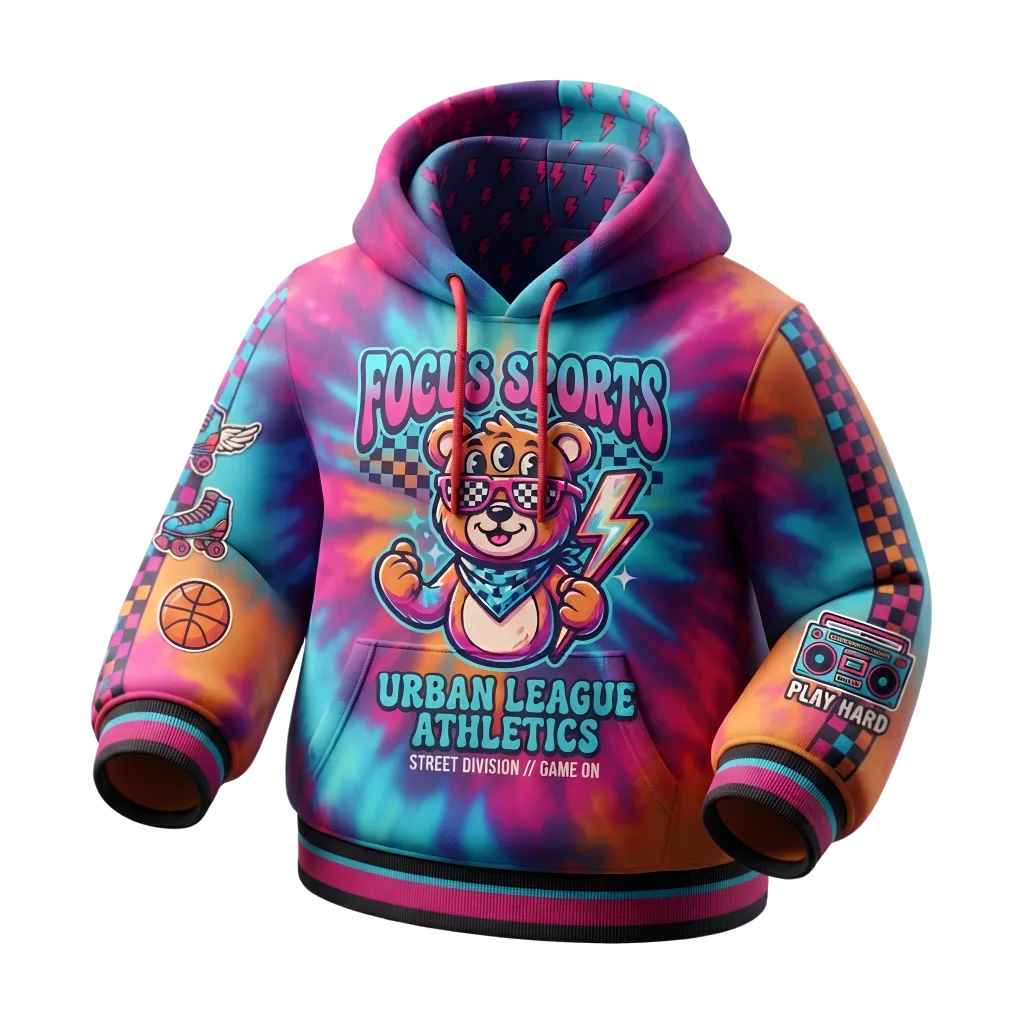
Discover the Best Quality Hoodies for Your Clothing Brand
Starting your clothing brand is an exciting journey, and having the right product to represent your vision is essential. Hoodies are one of the most popular choices among new clothing brands, offering style, comfort, and versatility. Choosing high-quality hoodies made with the best fabrics and craftsmanship can elevate your brand’s identity and appeal. When you select premium fabrics and superior stitching techniques, you’re not just selling clothing; you’re creating an experience for your customers. From minimalist styles to bold designs, hoodies can perfectly represent your brand’s personality while offering customers comfort and utility. Why Hoodies are Essential for New Clothing Brands Hoodies are more than just casual wear—they’re a blank canvas for creativity. They fit any lifestyle, from fitness enthusiasts to streetwear fans, offering style flexibility for every season. They are versatile and provide the perfect mix of trendiness and function, making them a go-to product for brands entering the market. Here are a few reasons hoodies should be on your product list:✅ Fashion Versatility: Perfect for casual wear, fitness wear, or streetwear trends.✅ Seasonal Must-Have: Suitable for all weather types and seasonal trends.✅ Brand Customization: Hoodies can carry your brand identity with unique prints, embroidery, or personalized designs. The Fabric Types & Stitching Methods That Define Quality Hoodies When producing hoodies, the choice of fabric and stitching directly impacts their quality, durability, and price. Here’s what you need to know: Premium Fabric Options: Selecting the right fabric ensures your customers get both style and comfort, setting your brand apart in the market. Advanced Stitching Techniques: Great hoodies rely on craftsmanship. Advanced stitching methods like flatlock stitching, overlock stitching, and double-needle stitching ensure durability and a polished look. These techniques prevent wear and tear while maintaining the hoodie’s shape over time. By investing in superior stitching and quality fabrics, brands can create hoodies that are long-lasting, comfortable, and stylish—all while remaining affordable. Affordable Pricing Without Sacrificing Quality Price plays a key role in a brand’s success. With affordable pricing and a focus on craftsmanship, you can maintain profitability while offering customers hoodies made from the finest materials. Quality hoodies can be competitively priced without compromising on the fabric’s durability, stitching, or design aesthetic. Partner with trusted clothing manufacturers to ensure you get the best value for your investment. They can guide you on bulk pricing options, lead times, and provide customized options to align with your business goals. Customization: Making Your Brand Unique Customization is vital for any new clothing brand. Adding your brand’s unique designs, embroidery, or custom patterns can resonate with your target audience. Whether you need personalized colors, graphic prints, or specialty designs, customization options allow your brand to stand out in the market. Work with reliable manufacturers that specialize in customization, offering expertise in private labeling, tech packs, and specialized printing options. This ensures your brand will always look polished and professional. Why Choose the Right Manufacturer for Your Hoodies Selecting the right clothing manufacturer ensures the entire process—from concept to production—is smooth. A professional partner can provide access to premium fabrics, the latest stitching technologies, and efficient lead times. It reduces the stress of production delays while ensuring your vision comes to life with accuracy and attention to detail. Many brands rely on manufacturers that can offer the perfect balance of affordability, craftsmanship, and design flexibility. With the right partners, you’ll unlock the ability to scale your brand efficiently. Start Your Journey with the Best Hoodies Today When you bring your vision to life, it all begins with quality, affordability, and consistency. Whether you’re looking to create hoodies for casual wear, fitness apparel, or streetwear, every choice you make contributes to your brand’s identity. Explore options like premium fabrics, advanced stitching, and affordable production strategies with trusted partners specializing in customized clothing. With their expertise and support, your brand will deliver superior quality products to every customer. 🔗 Learn more about customized hoodies and apparel manufacturing options at www.focusspo.com to elevate your brand today! Explore Customization Options Now Take your designs to the next level. Whether you want embroidery, printed graphics, or personalized designs, the possibilities are endless. Start by exploring customization opportunities with trusted manufacturers and suppliers to build a brand that your customers will love. Choose quality, choose reliability, and choose success.
Sustainability and Eco-Friendly Sportswear: The Future of Activewear

The growing shift towards sustainability in the fashion industry is not just a trend—it’s a fundamental change in how brands, consumers, and manufacturers approach clothing production. As the world becomes more environmentally conscious, there is an increasing demand for eco-friendly sportswear that doesn’t just perform well but is also kind to the planet. For Focus Sports, sustainability is at the core of our mission. We believe in creating high-performance sportswear that aligns with our values of environmental responsibility, innovation, and durability. Why Sustainability in Sportswear Matters Sportswear, like many other clothing categories, has traditionally relied on synthetic materials and fast fashion production methods, which have a significant impact on the environment. The sportswear industry is responsible for a large portion of textile waste, greenhouse gas emissions, and pollution. Consumers are becoming more aware of this, pushing brands to prioritize sustainability in their production processes. At Focus Sports, we recognize the urgency to create environmentally responsible products. As part of this commitment, we are dedicated to sourcing eco-friendly materials, reducing waste, and ensuring our production processes minimize harm to the environment. The Environmental Impact of Traditional Sportswear Traditional sportswear is often made from petroleum-based synthetic materials like polyester and nylon, which are not biodegradable and can take centuries to decompose. The dyeing process for textiles can also result in significant water pollution. Additionally, the rise of “fast fashion” encourages the production of cheap, low-quality items that are quickly discarded, contributing to the increasing textile waste problem. Here’s a breakdown of the environmental challenges associated with traditional sportswear: At Focus Sports, we aim to reduce the environmental burden caused by sportswear production by offering sustainable alternatives that promote eco-conscious living while maintaining high performance. Sustainable Materials in Sportswear: The Future Fabric The materials used in sportswear have a significant impact on both performance and environmental sustainability. To meet the growing demand for eco-friendly products, Focus Sports is incorporating sustainable fabrics into our designs. Let’s take a closer look at the sustainable materials that are transforming the sportswear industry: 1. Recycled Polyester (rPET) Recycled polyester is made from post-consumer plastic bottles or post-industrial polyester waste, making it a much more sustainable alternative to virgin polyester. It reduces the need for petroleum extraction and minimizes waste. Recycled polyester retains the durability, moisture-wicking, and breathability that make it perfect for sportswear. By using rPET, Focus Sports is able to create high-performance, eco-friendly activewear without compromising on quality or function. 2. Organic Cotton Cotton is one of the most common fabrics in sportswear, but conventional cotton farming can be extremely resource-intensive, requiring large amounts of water, pesticides, and chemicals. Organic cotton, on the other hand, is grown without the use of synthetic pesticides or fertilizers, making it a more environmentally friendly option. It’s also a more breathable and soft material, making it perfect for comfortable workout gear. 3. Hemp and Bamboo Fabrics Hemp and bamboo are two natural fibers that are gaining traction in the sportswear industry due to their sustainable properties. Hemp requires little water, no pesticides, and is highly durable. Bamboo is naturally anti-bacterial, moisture-wicking, and requires minimal water to grow. Both materials are biodegradable and provide excellent comfort, making them ideal for eco-conscious sportswear. 4. Tencel (Lyocell) Tencel is an eco-friendly fabric made from sustainably sourced wood pulp. It’s produced through a closed-loop process, meaning the chemicals used in its production are recycled and reused. Tencel is soft, breathable, and biodegradable, making it an excellent choice for activewear that prioritizes sustainability. Focus Sports’ Commitment to Eco-Friendly Manufacturing While the materials used in sportswear are crucial for sustainability, the manufacturing process itself also plays a significant role in reducing environmental impact. At Focus Sports, we have implemented several initiatives to ensure that our production methods are as sustainable as possible: 1. Eco-Friendly Dyeing Techniques Traditional dyeing processes are water-intensive and can introduce harmful chemicals into water systems. Focus Sports uses innovative dyeing methods that reduce water consumption and use non-toxic, natural dyes. This not only minimizes environmental harm but also ensures that the colors of our garments remain vibrant without the environmental cost. 2. Waste Reduction in Production One of the key challenges in the apparel industry is the amount of waste generated during production. To tackle this, Focus Sports has invested in technology that minimizes fabric waste, ensuring that every piece of material is used efficiently. Any leftover fabric is either recycled or repurposed into other products, contributing to a circular production model. 3. Energy-Efficient Manufacturing Our commitment to sustainability extends beyond just the materials and products. Focus Sports has implemented energy-efficient manufacturing processes that reduce carbon emissions. We prioritize the use of renewable energy sources and have optimized our supply chain to minimize our environmental footprint. The Benefits of Sustainable Sportswear Investing in sustainable sportswear is not only good for the planet but also for the consumer. Here are the key benefits of choosing eco-friendly activewear from Focus Sports: 1. Reduced Environmental Impact By using sustainable fabrics and eco-friendly production processes, you’re helping reduce pollution, waste, and carbon emissions. Every purchase supports our commitment to sustainability, ensuring that you are part of the solution to a greener future. 2. High Performance, High Comfort Sustainable fabrics like organic cotton, recycled polyester, and bamboo offer the same high-performance features as conventional materials—moisture-wicking, breathability, and durability—while also being gentler on the environment. 3. Long-Term Durability Eco-friendly materials like hemp, Tencel, and recycled polyester tend to be more durable than traditional fabrics. This means your sportswear will last longer, reducing the need for frequent replacements and minimizing waste in the long term. 4. Ethical Production When you choose Focus Sports, you can feel confident that the products are made under ethical working conditions. We are committed to ensuring fair labor practices, safe working environments, and transparent production processes. How You Can Make a Difference: Join the Sustainable Movement As consumers, we have the power to shape the future of fashion by supporting brands that prioritize sustainability. By choosing Focus Sports, you’re making an impactful decision
Woven Patch vs Embroidery Patch – Which One is Best for Your Brand?

🧵 What Are Patches? If you want to add your logo or design to clothing, patches are a great option. They make your clothes look professional and branded. But many people ask: What is better – woven patch or embroidery patch? Let’s help you choose the right one for your brand. 🧶 What Is a Woven Patch? A woven patch is made with very thin threads that are woven together. This makes the patch flat, smooth, and great for small details. Best for: 🪡 What Is an Embroidery Patch? An embroidery patch is made with thicker threads. It has a raised, 3D texture and looks classic. Best for: 🆚 Woven vs Embroidery – Quick Comparison Feature Woven Patch Embroidery Patch Detail High – perfect for small text Medium – hard to show fine lines Texture Flat and smooth Raised and textured Price Usually more affordable Slightly more expensive Look Modern and clean Traditional and bold Best For Fashion brands, labels Uniforms, jackets, classic items 🧵 Which Patch Should You Choose? Both are strong and can be sewn or heat-pressed on clothing. 🌍 Why Choose Focus Sports? At Focus Sports, we make custom woven and embroidery patches with top-quality threads. We help brands all over Europe add style to their clothes. 👉 Want to see samples? Click here👉 Need help? Contact us today – let’s make your patch together! 📩 Contact Us 📧 focussportswears@gmail.com📱 Instagram: @focussports.ig
Maximizing Profits in Clothing Manufacturing: 7 Essential Tips for Apparel Brands

The apparel manufacturing industry is highly competitive, and for clothing brands to succeed, they need to work smarter to maximize profits. Whether you’re an established brand or just starting, optimizing your manufacturing processes can lead to greater profitability and sustainable growth. Here are 7 essential tips to help you streamline production, reduce costs, and boost your bottom line. 1. Choose the Right Manufacturer Selecting the right manufacturer is crucial for balancing cost and quality. Look for a manufacturer that offers flexibility in Minimum Order Quantities (MOQ), can scale production with your business, and meets your quality standards. Focus on reliability, timely delivery, and the ability to produce a wide range of products under one roof. Key Considerations: 2. Leverage Bulk Ordering One effective way to reduce unit costs is to place bulk orders. Manufacturers are more likely to offer discounts on larger orders, which will increase your profit margins. However, ensure that demand is high enough to justify bulk production to avoid excess inventory. Actionable Tip: 3. Implement Smart Inventory Management Managing inventory efficiently is key to maintaining profitability. Overstocking can lead to wasted resources, while understocking can cause missed sales opportunities. Utilize technology to monitor stock levels, predict demand, and automate reordering processes. Actionable Tip: 4. Optimize Product Range Rather than offering a vast array of products, focus on a limited, well-curated range that reflects your brand’s identity. This helps reduce production costs, simplifies logistics, and allows for better marketing focus. Actionable Tip: 5. Embrace Sustainable Practices Sustainability isn’t just good for the planet; it’s also good for business. Consumers are increasingly seeking eco-friendly apparel, and incorporating sustainable practices can give your brand a competitive edge while reducing long-term costs. Actionable Tip: 6. Focus on Private Labeling Private labeling allows your brand to stand out with custom tags, labels, and packaging. Not only does this boost brand recognition, but it also adds a personal touch that can justify higher pricing, leading to better profit margins. Actionable Tip: 7. Invest in Digital Marketing Your marketing efforts can greatly influence your brand’s profitability. Use a mix of social media, email campaigns, and SEO to drive traffic to your website and convert visitors into customers. Actionable Tip: Conclusion Maximizing profits in clothing manufacturing requires a strategic approach. From choosing the right manufacturer and managing inventory efficiently to embracing sustainable practices and smart marketing, these tips will help your apparel brand thrive in a competitive market. By optimizing your processes and focusing on high-value activities, you can ensure long-term profitability and growth.
10 Proven Steps to Launch a Profitable Clothing Brand in Under a Year

Starting a clothing brand can be an exciting and profitable venture, but achieving significant profit within the first year requires strategic planning, smart execution, and a focus on efficiency. Here’s a professional guide on how to start a clothing brand with the potential for higher profit margins in less than a year. 1. Identify a Niche with High Demand Before diving into design or production, it’s crucial to identify a specific market segment or niche where your brand can stand out. Instead of offering general apparel, focus on a specialized area such as sustainable clothing, streetwear, activewear, or luxury loungewear. A niche helps you target a dedicated audience, reduces competition, and allows for better marketing focus. Actionable Steps: 2. Start with a Lean Product Line Launching with a limited yet impactful product line reduces your initial investment and allows for better control over quality and production. Focus on creating a few signature pieces that are versatile, high-quality, and aligned with your niche. Actionable Steps: 3. Leverage Private Label Manufacturing Using a private label manufacturing model can save you time and resources. Private labeling allows you to customize pre-existing designs with your brand’s logo and label. This can drastically shorten the production timeline while maintaining control over the quality and branding. Actionable Steps: 4. Utilize E-commerce Platforms Skip the overhead costs of physical stores by selling directly to consumers through e-commerce platforms. Websites like Shopify, WooCommerce, and even marketplaces like Etsy and Amazon allow you to reach a global audience without the heavy financial burden of retail space. Actionable Steps: 5. Maximize Profit with Direct-to-Consumer (DTC) Model A direct-to-consumer (DTC) approach cuts out the middleman, allowing you to sell directly to your audience through your website or social media channels. This model increases profit margins by reducing the need for third-party retailers and their associated fees. Actionable Steps: 6. Offer Pre-Orders to Reduce Risk Pre-orders can be an effective way to gauge interest in your products before committing to full-scale production. By collecting orders upfront, you can finance production through customer payments, reducing your financial risk and avoiding unsold inventory. Actionable Steps: 7. Optimize Production Costs Streamlining your production process is essential for maintaining healthy profit margins. Choose materials, factories, and logistics solutions that align with both your budget and quality standards. Actionable Steps: 8. Focus on Strategic Marketing Investing in digital marketing is crucial for creating brand awareness and driving sales. A well-executed marketing strategy can significantly impact your brand’s profitability. Actionable Steps: 9. Control Your Inventory One of the major pitfalls for new clothing brands is overproducing inventory, which leads to unsold stock and lost profits. Efficient inventory management will help you avoid these losses and ensure that you’re not wasting valuable capital. Actionable Steps: 10. Offer Value-Added Services Increase your average order value by offering value-added services such as customization options, exclusive memberships, or bundled discounts. Customers are more likely to spend more if they perceive a unique or personalized experience with your brand. Actionable Steps: Conclusion Building a profitable clothing brand in less than a year is entirely possible with the right strategy and focus. By selecting a niche market, starting lean, leveraging e-commerce, and implementing smart marketing strategies, you can maximize your profits while minimizing risks. Keep optimizing your processes, listening to customer feedback, and refining your brand’s identity to set yourself up for long-term success.